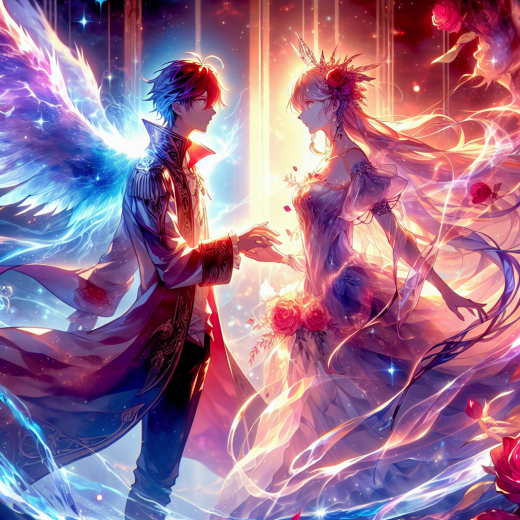
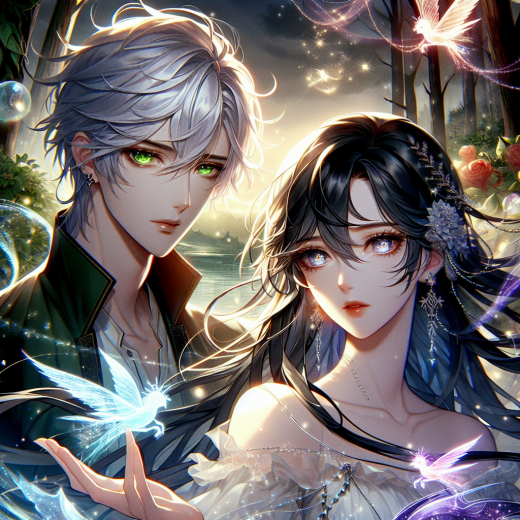
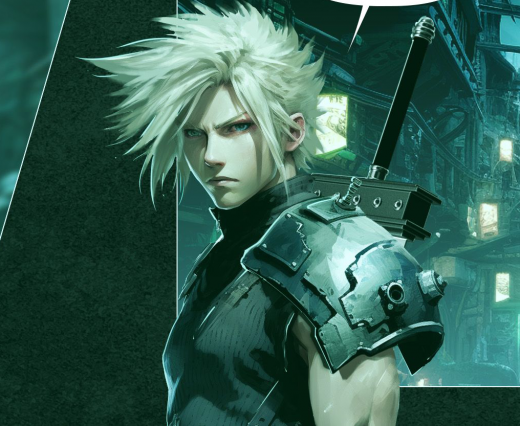
I use AI in a range of experimental and workflow-enhancing ways, always with transparency. If there’s no mention of AI in a project, it wasn’t used—simple as that.
Artist. Art Director. Times Bestselling Illustrator.
For over fifteen years, I’ve brought stories to life across publishing, games, film and brands—combining traditional craft with modern production pipelines.
As a creator who’s navigated both the gallery wall and the deadline crunch, I believe the future belongs to those who evolve. AI isn’t a replacement; it’s a tool—like the camera was to the brush, or digital to print. Those who resist it entirely risk becoming like the darkroom photographers of old: skilled, yes—but fading fast.
Here, I explore how emerging tools can amplify artistic intent—not replace it. And I bring that mindset to every project I take on.
Some of the tools and techniques I experiment with include:
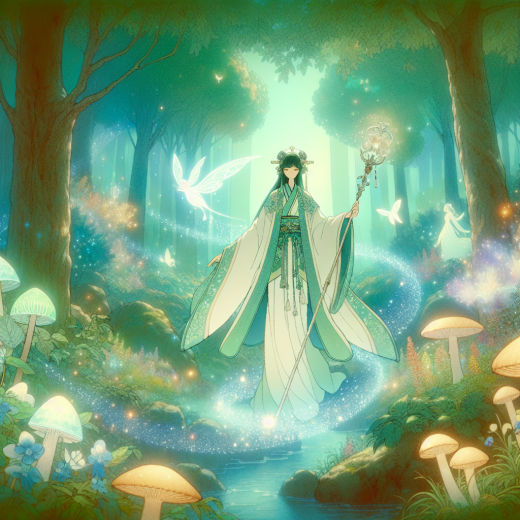
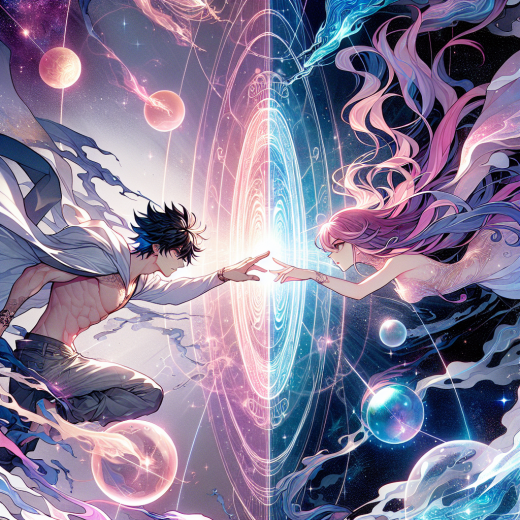
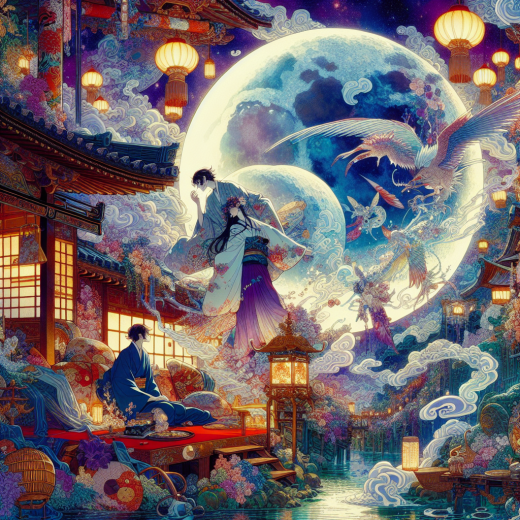
Custom Art Models (via Stable Diffusion, OpenArt): Built using artwork my studio has created over the years (all rights with me) to produce similar styles to my own and new styles too.
Motion & Animation Tools (Runway, Kling AI): Primarily for tweening—automating in-between frames to speed up motion studies or tests.
Visual Development & Moodboards (Midjourney, Leonardo, OpenArt): For early conceptual ideation, not for final assets.
Writing Feedback & Dialogue Crafting (OpenAI, via API or ChatGPT): Used as a conversational writing partner during plotting phases—never for final prose without rewriting.
Voice and Audio Prototyping (ElevenLabs): To test voiceover tone and performance when mocking up animatic sequences or trailers.
Every AI-assisted element is treated like any other production tool: responsibly, creatively, and always in support of the story.